Recent Articles:

Gypsy Gravy: Sometimes the recipe isn’t the real point.
October 3, 2026 Entrees, Menu, Pasta No Comments

I didn’t set out to create a recipe the day I made Gypsy Gravy.

I was having a bad day at work. Nothing dramatic—just one of those days when everything seemed to be piling up. I needed to step away from it for a while, so I went into the kitchen and started cooking.

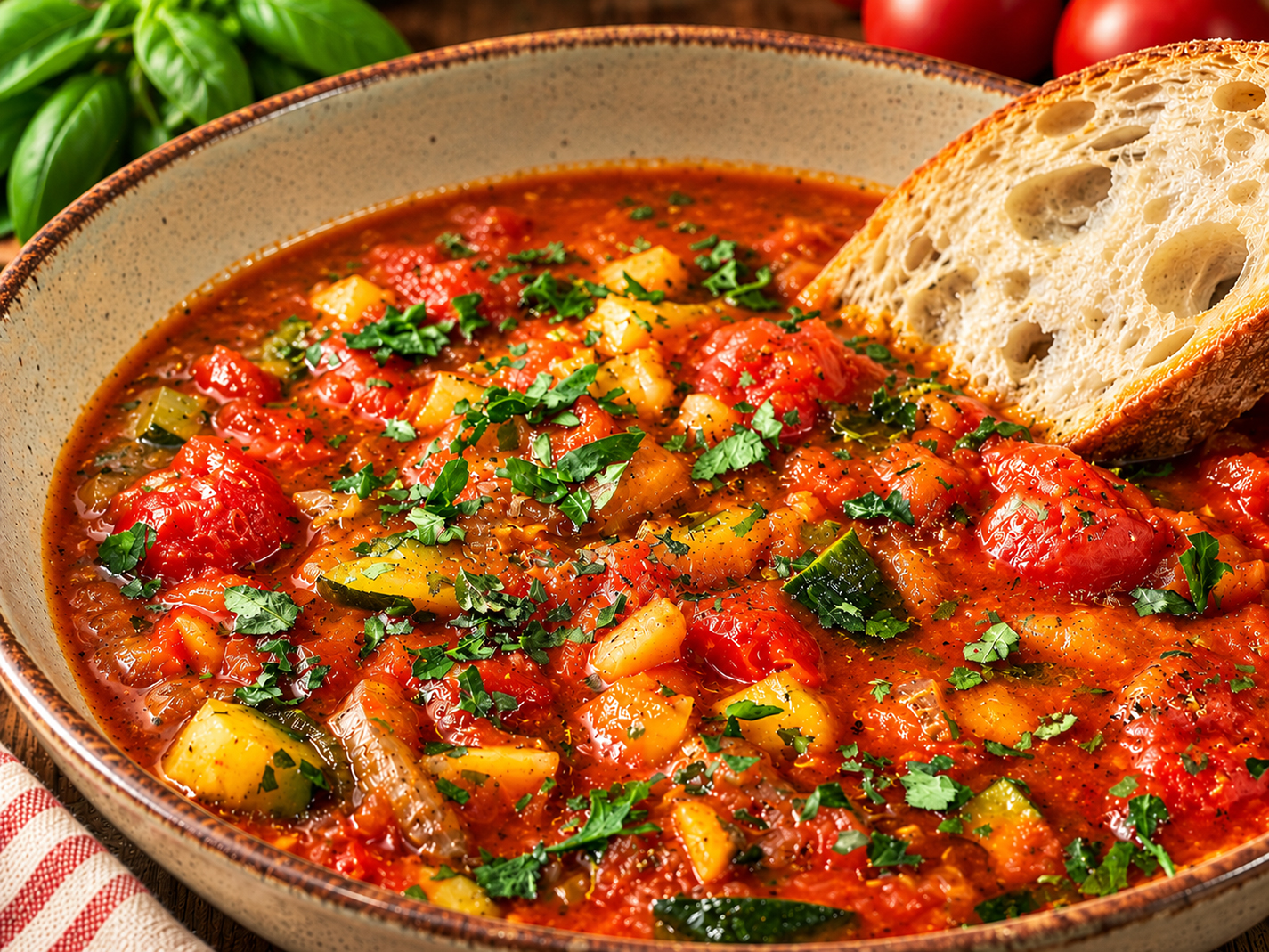
I had some vegetables on hand, so I started chopping. Onions, garlic, peppers, zucchini and potatoes went into a pan with olive oil. I added some seasoning, poured in crushed tomatoes and let everything simmer. There wasn’t really a plan. And that was kind of the point.

I’ve always loved what happens when I get lost in cooking. It’s therapeutic. It gives my mind something tangible to focus on. There’s a rhythm to it—chop, sauté, season, stir, taste, adjust. You don’t have to think about everything else for those moments. You just have to pay attention to what’s happening in front of you. For a little while, everything else gets quieter. The problems don’t disappear, but my mind has somewhere else to go.

And that’s important to me.

By the time lunch was ready, I felt different.

The problems hadn’t disappeared. My day hadn’t magically gotten better. But I had gotten better.

Sometimes that’s enough.

While enjoying my lunch, I thought about a recent conversation I had with a friend over dinner. We were talking about traditions and family recipes, and she shared about a dish her family would often make. It wasn’t the recipe itself that stuck with me, but the emotion and passion she shared while describing it. I realized that conversation had helped ignite the spark for the dish I had just made.

I texted her to tell her.

Her response?

“YOU MADE GYPSY GRAVY!”

Apparently, I had.

And that became the name.
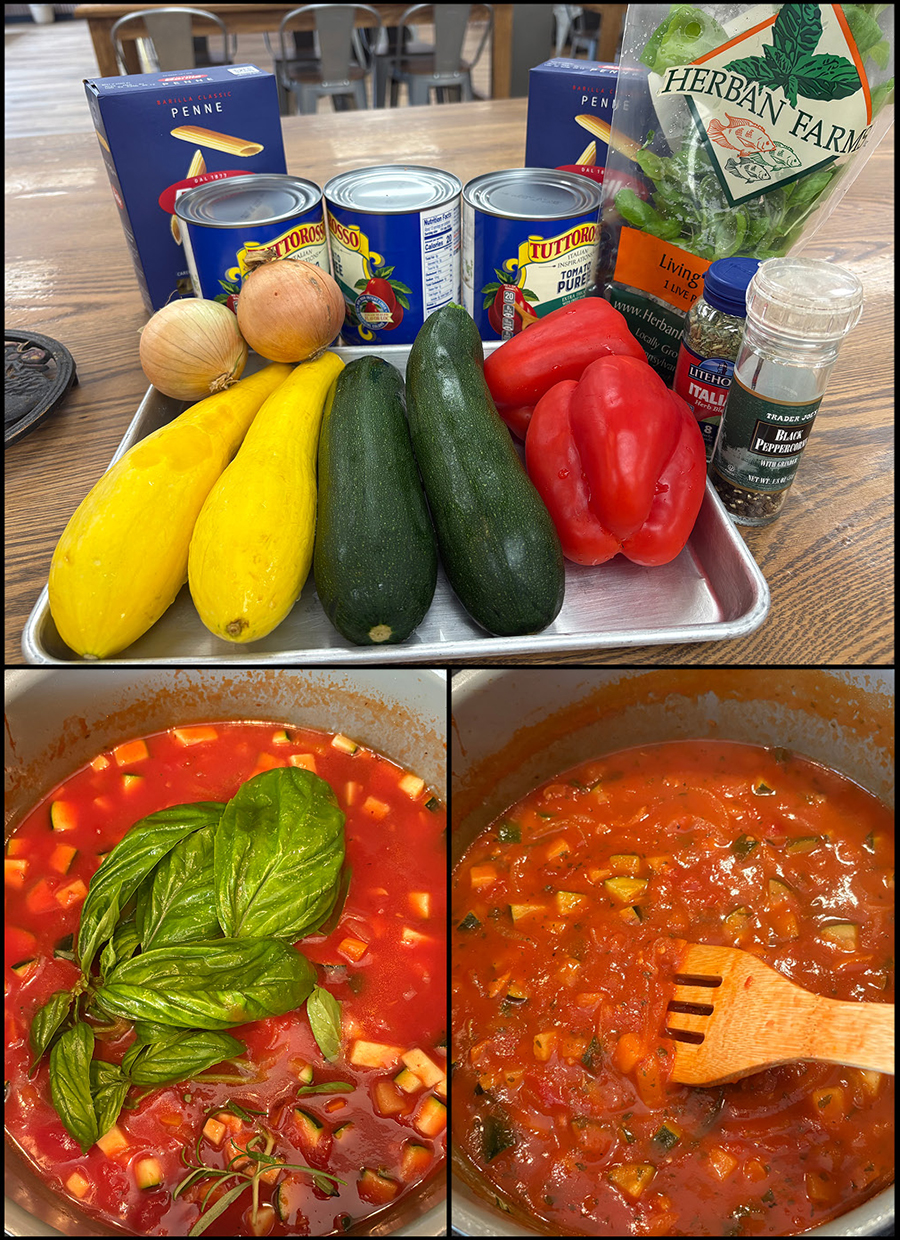
What I love about Gypsy Gravy is that there really isn’t one way to make it. Add eggplant or beans. Change up the vegetables. I’ve simmered shrimp and scallops in the same tomato base, turning it into something more like a rustic seafood stew. Serve it over pasta or rice, or grab some crusty bread and eat it as a stew.

It’s forgiving. It’s adaptable. You work with what you have.

Maybe that’s another reason I like it so much.

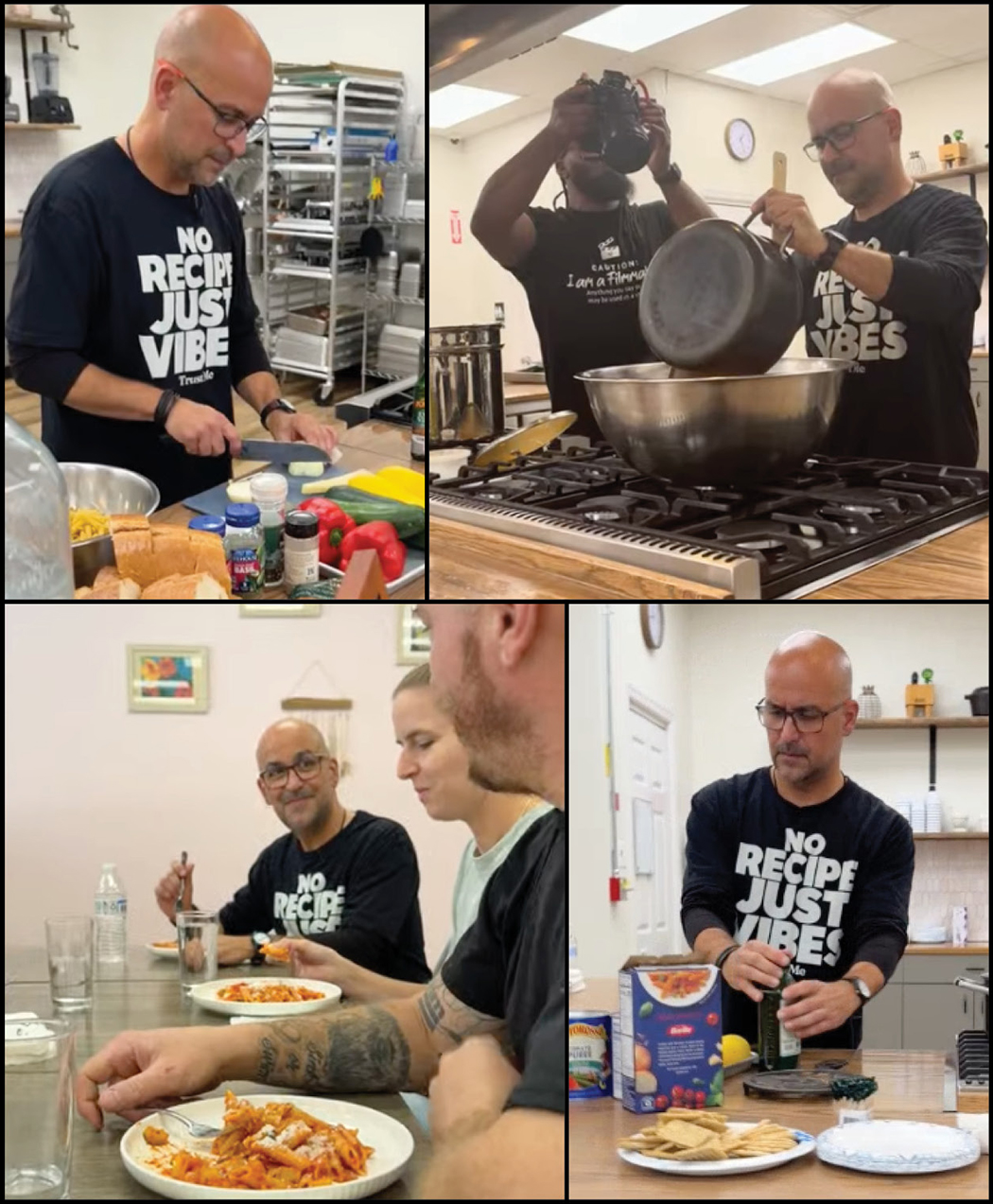
A few weeks later, I had the opportunity to share Gypsy Gravy as part of Cooks Who Care’s Food Is Therapy series. What started as a recipe created on a difficult workday had come full circle. I wasn’t there simply to demonstrate how to make a tomato-based vegetable dish. I was there to talk about what happens when we give ourselves permission to step away from the noise, breathe, and get lost in something we love.

Eight people gathered around the kitchen that day. We cooked, we shared the meal, and we shared stories.

And somewhere between the cooking and the conversation, I was reminded that the recipe was never really the point.

The kitchen doesn’t fix everything.

But sometimes it gives us the space we need to come back to ourselves.

That’s what Gypsy Gravy has come to mean to me—a simple dish born out of a not-so-great day that somehow became part of a much bigger story about food, connection, and finding a little room to breathe.

And, of course, it doesn’t hurt that it’s pretty darn good.
Serves 4

Ingredients

  • ⅓ cup olive oil
  • 1 medium onion, thinly sliced or diced
  • 4 cloves garlic, minced
  • 1 red bell pepper, diced
  • 2 zucchini, diced
  • ¼ cup potatoes, peeled and diced (frozen potatoes can be used)
  • 1 (28-ounce) can crushed tomatoes
  • 1 teaspoon oregano
  • 1 teaspoon Italian seasoning
  • 1 fresh sprig of basil
  • Salt and pepper, to taste

Directions

Heat the olive oil in a large sauce pot over medium heat. Add the onion and cook for about 5 minutes, until softened. Add the garlic and cook for another minute.

Add the bell pepper, potatoes and zucchini. Season with a pinch of salt and pepper. Stir well and sauté for another 5–7 minutes.

Stir in the crushed tomatoes. Add the oregano, Italian seasoning and whole sprig of basil. Cover, reduce the heat to medium-low and simmer for 20–30 minutes, stirring occasionally, until the vegetables are fork-tender.

Remove the basil sprig and season with additional salt and pepper to taste.

Serve with crusty Italian bread as a hearty vegetable stew, or spoon over cooked rice or your favorite pasta.

And then make it your own.

That’s really the beauty of Gypsy Gravy.
Share

Stuck on Simmer: A Kitchen Therapy Story

September 18, 2026 Menu No Comments

Every so often, schedules change, plans get canceled, or maybe you simply find yourself with nothing to do. I never mind a little downtime—we can all use some peace and quiet—but I often end up spending those quiet moments in the kitchen. As many of you know, cooking is therapeutic for me. It lets me get lost in a passion I enjoy while creating something new: a meal, a seasonal treat, and, if all goes well, a new blog post.

I recently found myself in one of those quiet moments. Jules was out for the night, Ava was settling into her new college dorm, and while my dog Theo is a great listener, conversation with him is usually limited.

My first thought was to make one of the dinner recipes I save for solo nights, usually because it includes ingredients my girls aren’t particularly into. Then I remembered the signed edition of Big Heart Little Stove I had recently bought by one of my favorite chefs, Erin French.

What better time to try one of her recipes?

Because I had extra time and wanted to have some fun in the kitchen, I decided to play Recipe Roulette. Instead of searching through the book for a recipe that sounded appealing, I opened to a random page and committed to whatever I found.

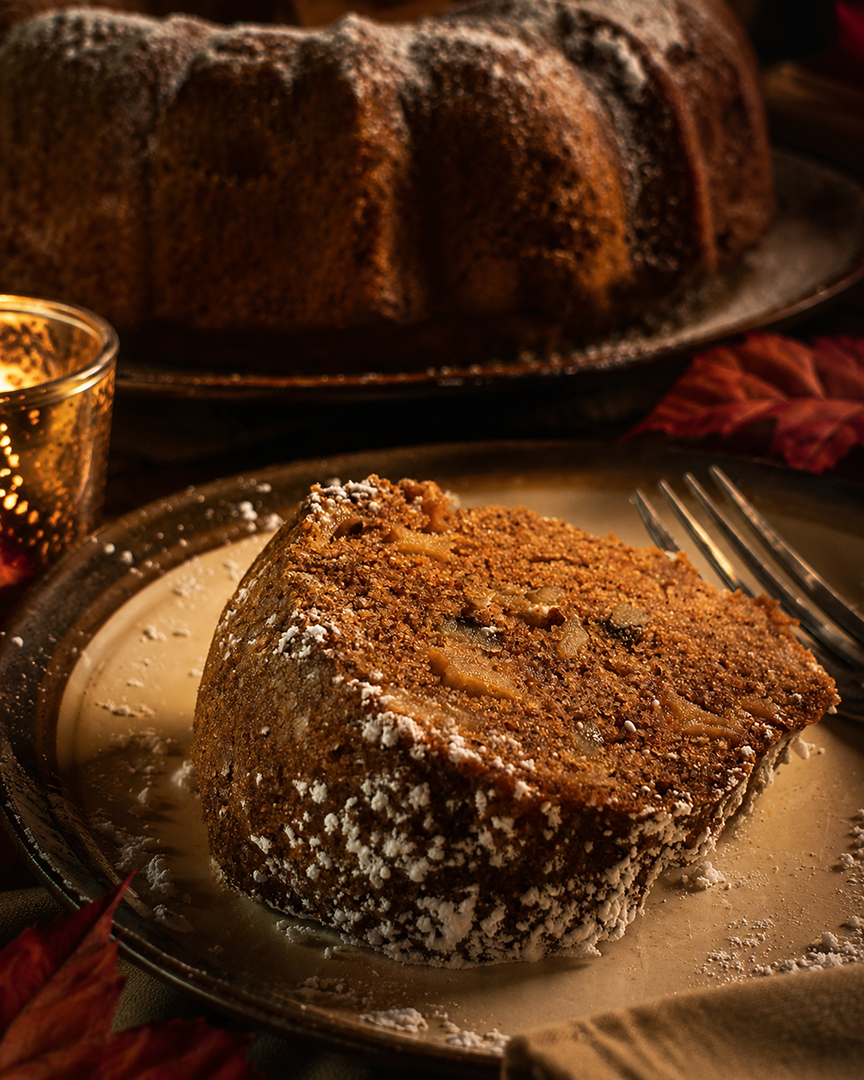
The result was Erin’s Old-Fashioned Apple Walnut Cake, and my mood lifted immediately.

I’m not much of a cake maker. I prefer the artistic freedom of cooking to the precision of baking. But this recipe was exactly what I needed: autumn-inspired ingredients, clear steps, and enough structure to help me settle into the quiet night.

For someone who does not usually flaunt his baking skills, I have to say this cake was damn amazing.

Unfortunately, Erin French does not have this exact recipe available online, and it wouldn’t be right for me to share it here. But this post was never really about the recipe.

It was about finding a little creative spark when your mood is stuck on simmer.

That spark doesn’t have to come from the kitchen. It could be a puzzle, a book, a journal entry, a walk, or even finally tackling that closet you keep pretending not to see.

So, if you find yourself in a funk, don’t let it simmer too long. Turn up the music, get a little funky, shake off those bluesy vibes, and who knows?

You might just come out of it with a clearer head, a happier heart, and a sweet little victory cooling on the counter.

Share

Easy Baked Pasta

April 26, 2026 Entrees, Menu, Pasta No Comments

This is a simple pasta dish that’s perfect for a quick weeknight meal.

Don’t confuse this recipe with a big Sunday gravy-and-meatballs dinner—this is a quick, 20–25 minute, start-to-finish meal that makes 2 large or 4 small servings.

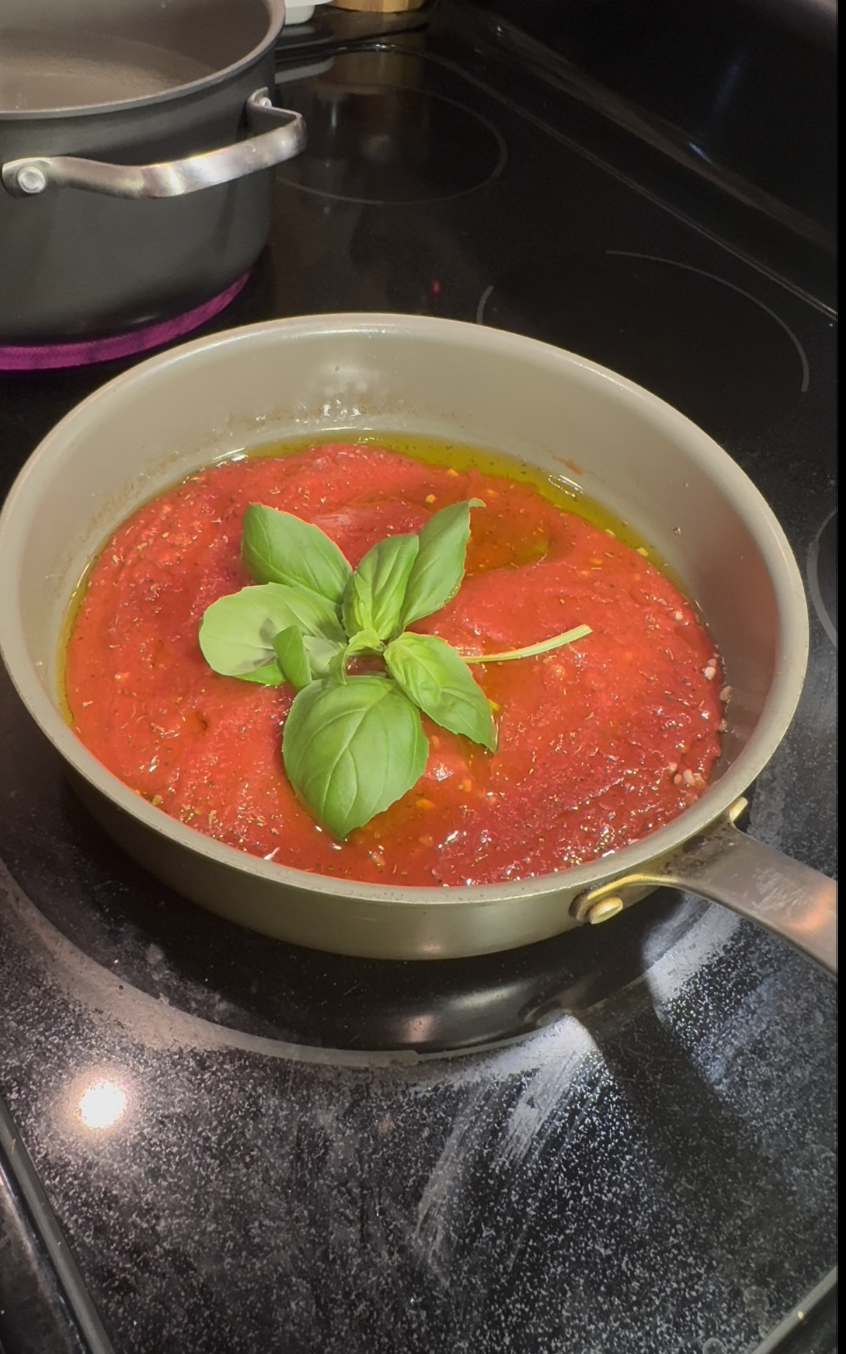
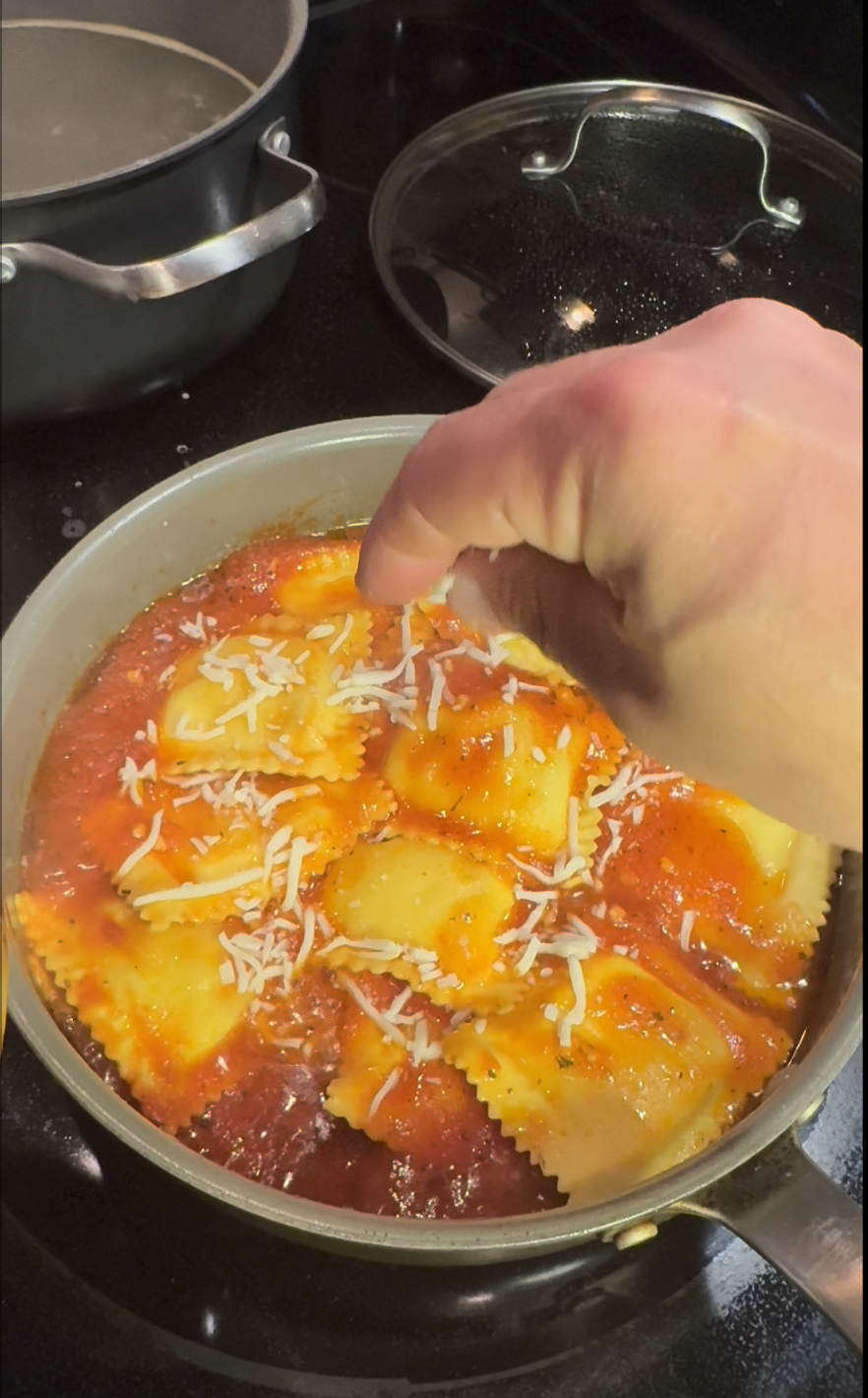
You’ll start with a quick marinara in an oven-safe skillet, then finish everything under the broiler.

The secret ingredient to this recipe is the pasta water. Whether you are making a marinara, a pesto sauce or a cream sauce, the starch of pasta water elevates the taste and texture of your sauce. You only need a small amount for this dish, one ladle or about 1/4 cup.

  • 1/3 cup olive oil
  • 4 cloves garlic, minced
  • 1 (15-ounce) can crushed tomatoes
  • 1 tsp dried oregano
  • 1 sprig fresh basil (add it to the sauce stem and all; you’ll pull it out once it wilts)
  • Shredded mozzarella + grated Parmesan (to your liking)
  • 6–8 oz pasta (your choice)
  1. In a large, oven-safe skillet, heat the oil over medium heat. When it’s hot, add the garlic.
  2. Once the garlic starts to sizzle (don’t let it brown), add the tomatoes.
  3. Stir in the oregano. Add the basil sprig, gently placing it right into the sauce.
  4. Cover and let the sauce simmer for about 15 minutes.
  5. While it simmers, boil your pasta per the package directions. Cook until al dente and reserve a bit of pasta water (the pasta will finish cooking in the sauce).
  6. Remove the wilted basil, then add the al dente pasta to the sauce.
  7. Stir in 1 ladle (about 1/4 cup) of pasta water. You can also add salt and crushed red pepper to taste.
  8. Add shredded mozzarella and grated Parmesan. I like to add just a bit so it’s not too cheesy, but you can do it to your liking.
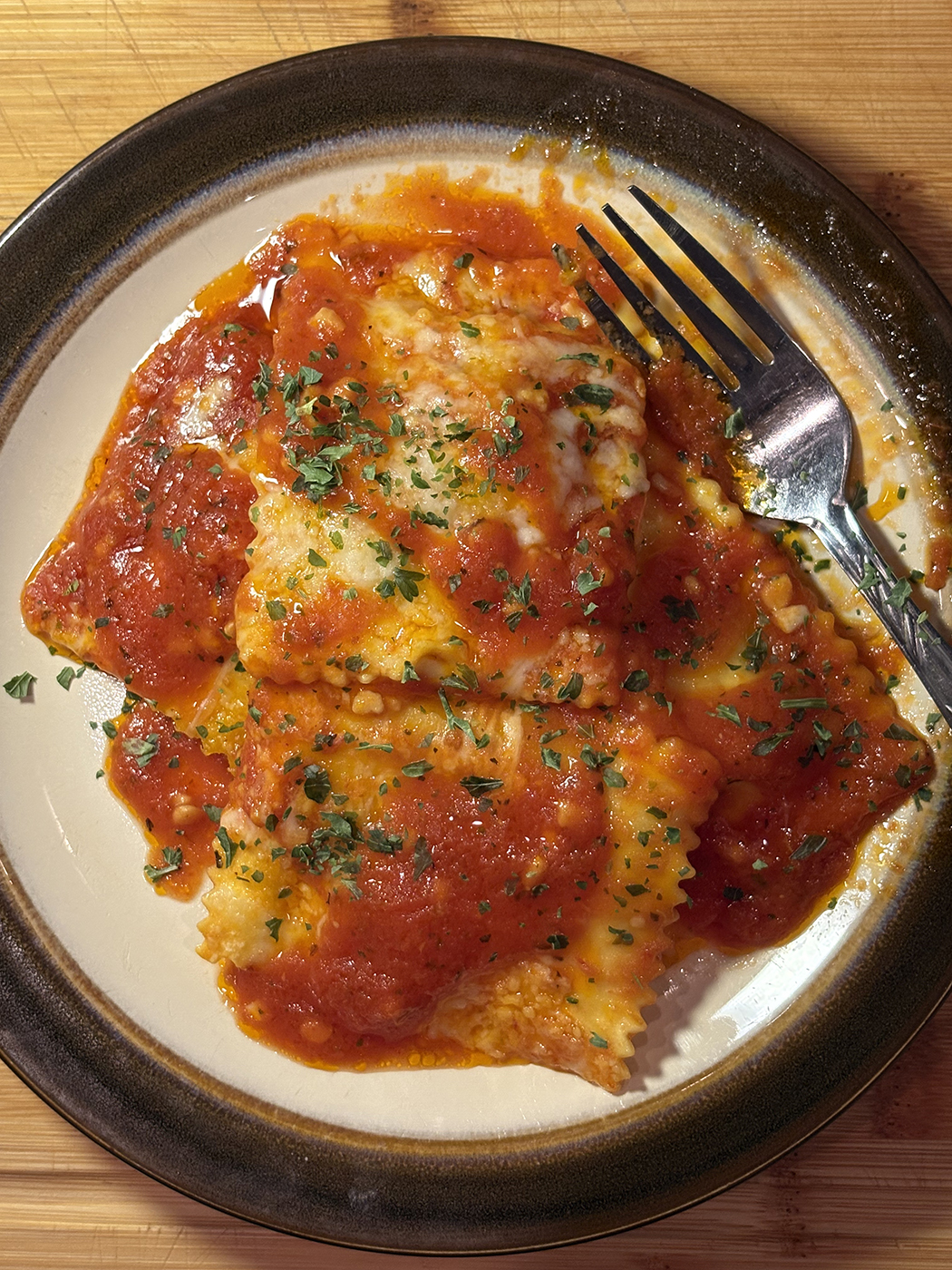
  9. Finish under the broiler on high for 2–3 minutes, until the sauce bubbles and the cheese just starts to melt. (No broiler? Bake at 425°F for about 10 minutes, or until bubbling and melted.)
  10. Carefully remove the pan, plate, and garnish with chopped parsley if you’d like—then enjoy.
@dominic.condo

This is an easy baked pasta dish, perfect for a quick and tasty weekday meal. #marinara #pasta #easydinner

♬ original sound – dominiccondo
Share

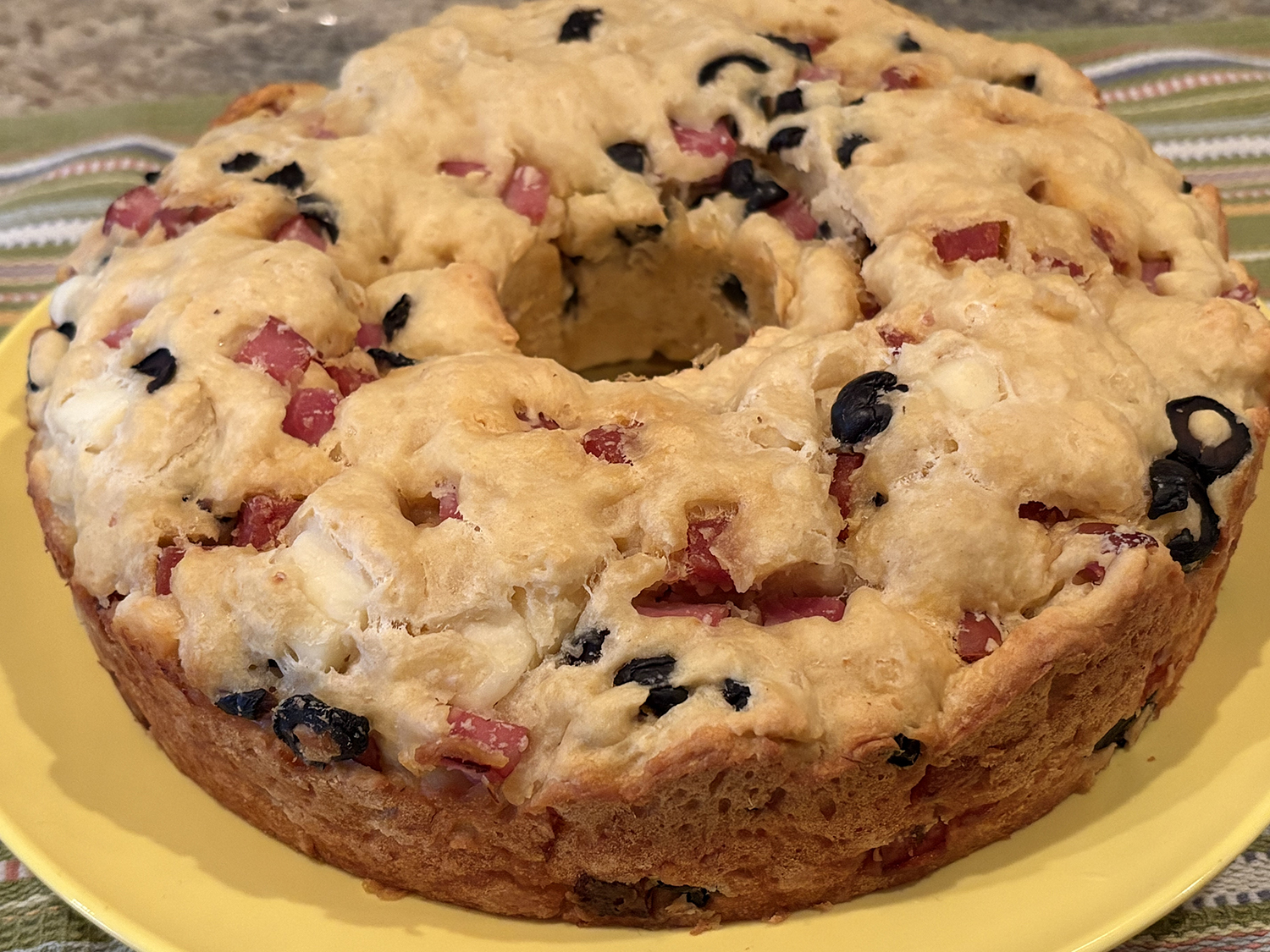
Ciambella Rustica

For years, a big part of our Easter tradition has involved baked goods. We would make Easter bread, Italian rice pie (which Ava has since taken over and now claims as her own), fiadone cheese pockets, and pizza rustica—also known as pizza chena, or simply Easter ham pie.

Pizza rustica, as I prefer to call it, is a rustic pie made with eggs, various meats such as ham, salami, pepperoni, or mortadella, and cheese—provolone being my choice. I also like to add black olives, simply because I love them, and they complement this dish beautifully.

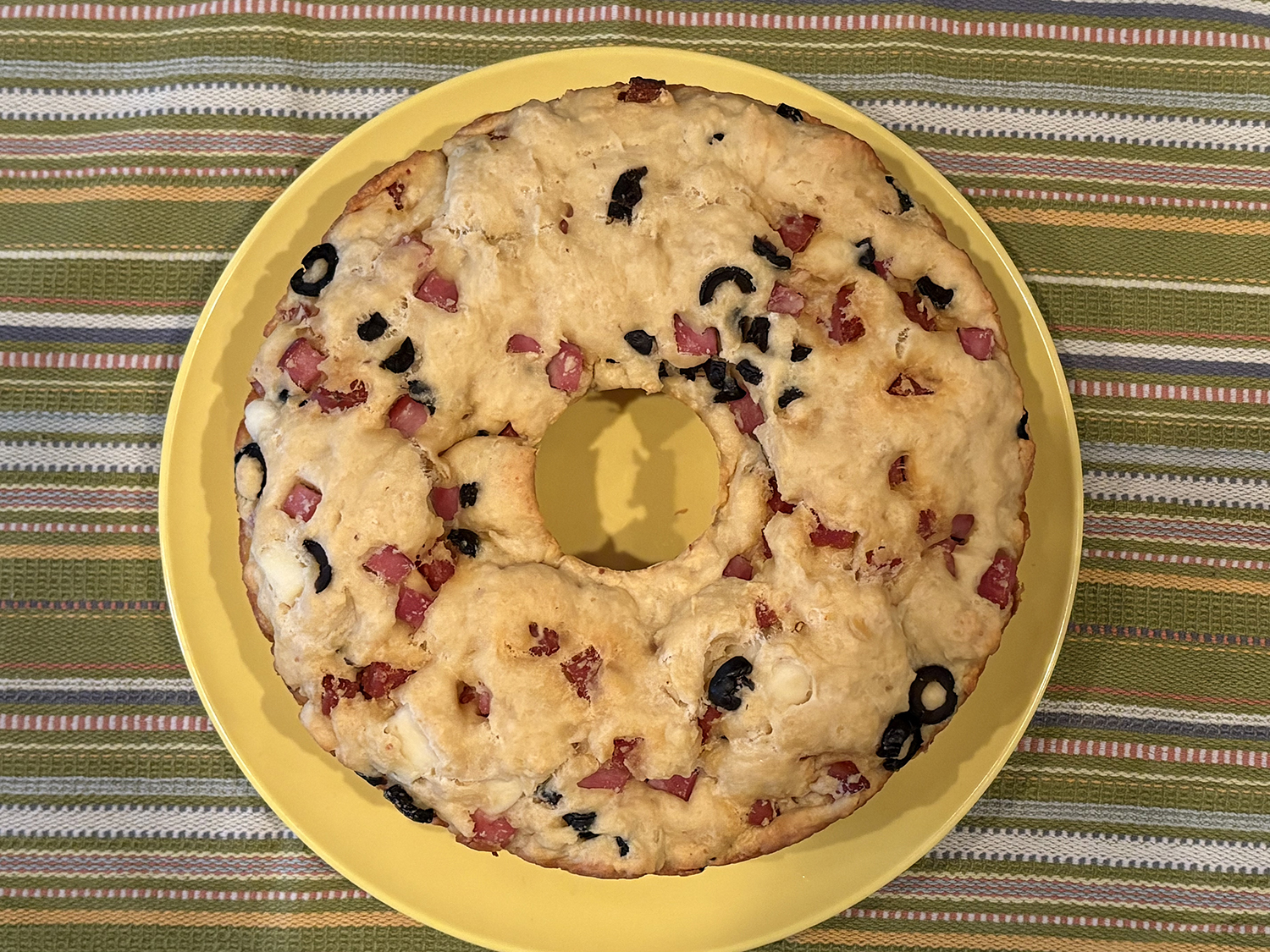
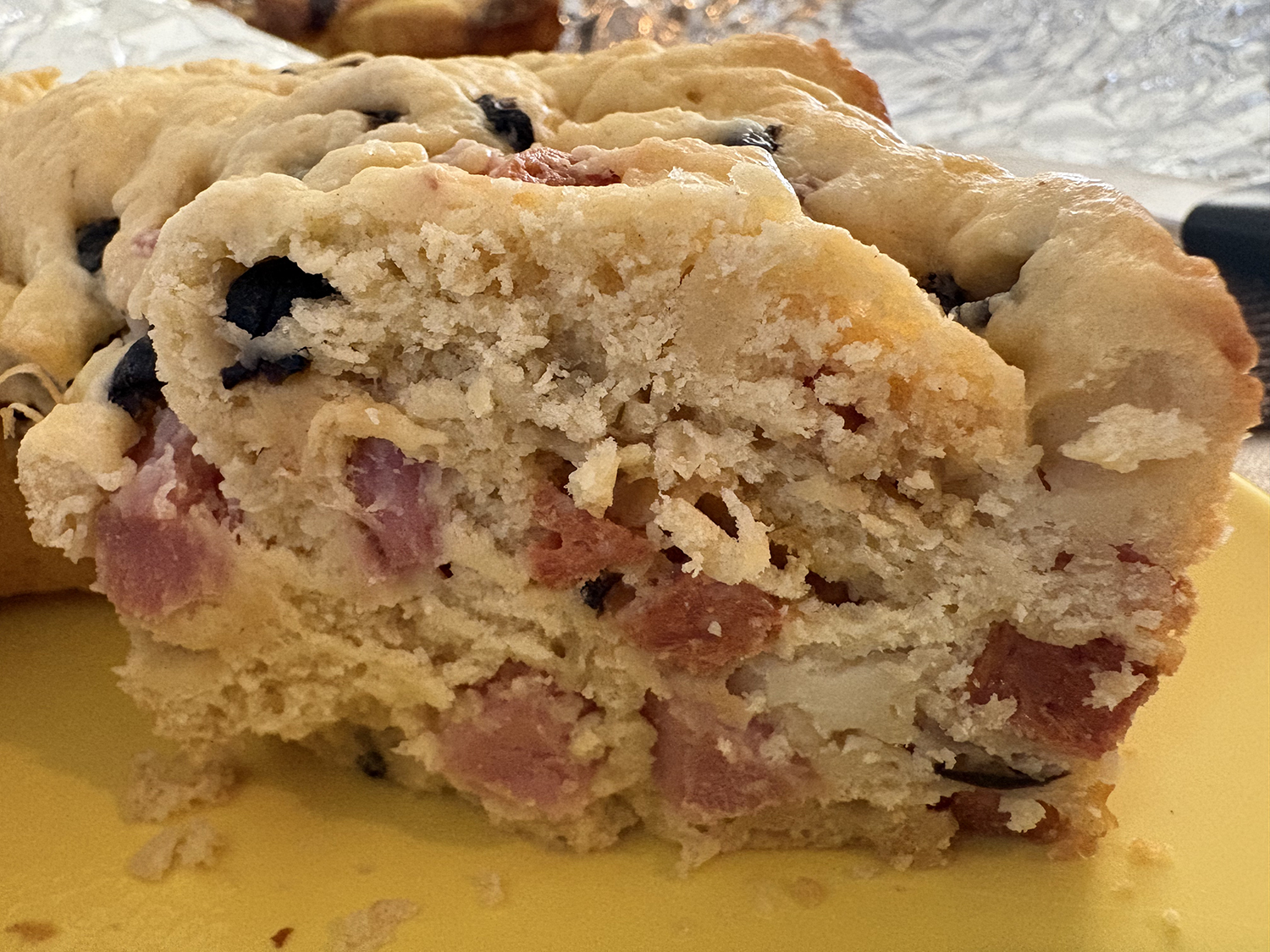
This year, I discovered an interesting variation called Ciambella Rustica, courtesy of Giovanni Siracusa. The concept and ingredients are basically the same, with the addition of flour and olive oil, which transforms it into more of a bread or savory cake. It can be baked in either a tube pan or a Bundt pan (cue My Big Fat Greek Wedding). I was intrigued and decided this was the recipe I would follow this year.

The process was wonderfully simple—everything mixed in one bowl, poured into the pan, and baked. The result had the same savory flavors as traditional pizza rustica, but with a more bread-like texture that was surprisingly complementary.

The beautiful part of traditions is the comfort of revisiting moments we love. Another wonderful part is allowing ourselves to update them—carrying the original meaning forward in a new and special way. This recipe does exactly that.

I realize I’m sharing this a bit late for Easter, but honestly, it’s a dish worth making any time of year. It’s far too delicious to enjoy just once.

To watch Giovanni Siracusa’s process and to get his recipe, click here.

Share